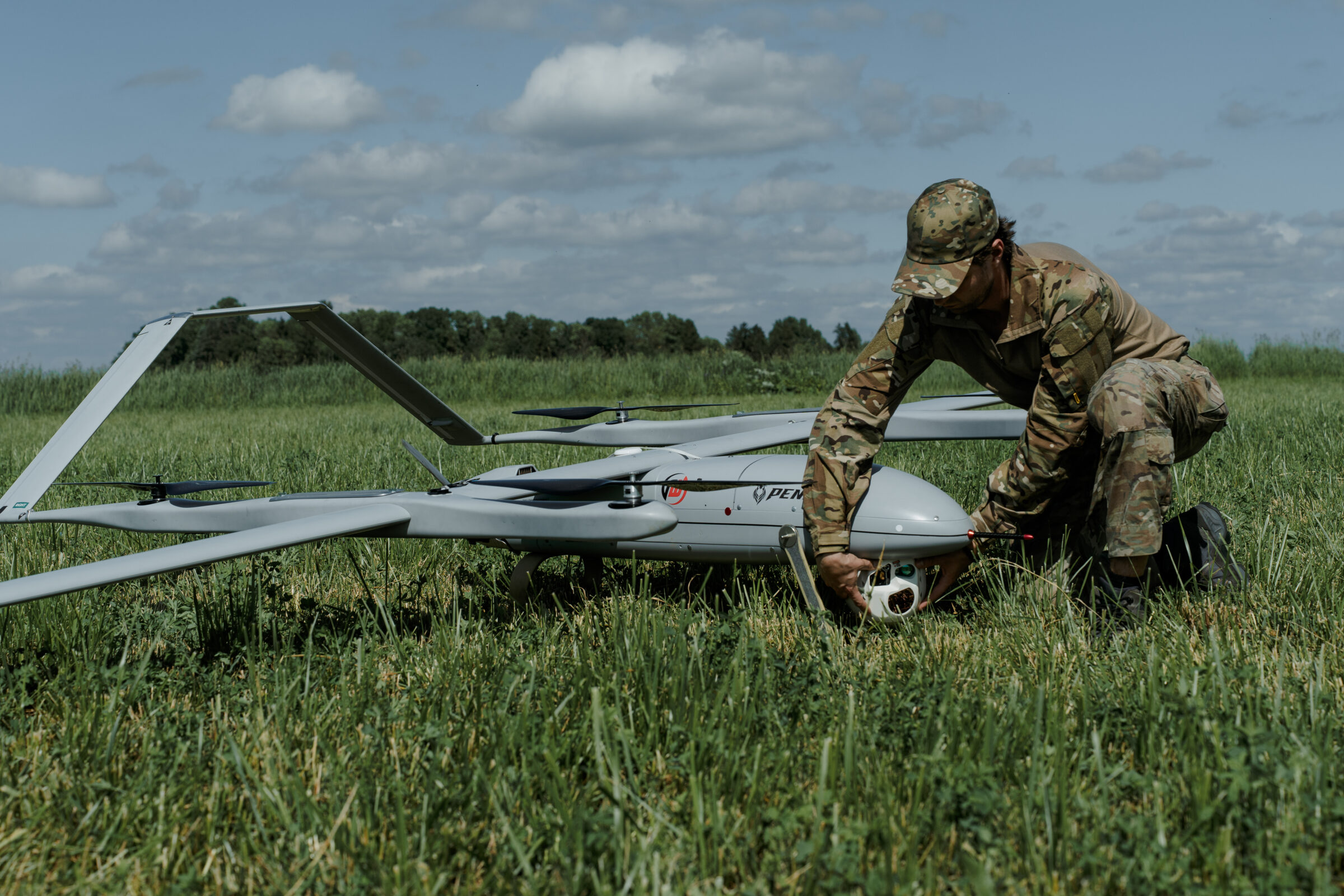
The evolving demands of the modern battlespace are most evident in Ukraine, and Redwire’s technology has been on the front lines of this conflict since 2022. The “lessons learned” from deploying defense technology in one of the world’s most contested environments are less about the tech itself and more about how quickly the systems can—and must—adapt.
To achieve the Pentagon’s mission-critical objective of bolstering the U.S. drone manufacturing base, the United States needs to do more than secure a resilient supply chain—it must design modular aircraft that can meet the rapidly changing needs of today’s warfighters.
“Technology that was relevant here two months ago is now outdated,” said Redwire’s Business Development (BD) lead in Ukraine. “For each measure, our adversary comes up with a countermeasure, and then we must rapidly create a superior solution. To achieve mission success in Ukraine, the innovations cannot stop.”
This need for continual innovation has been a driving force behind Redwire’s solutions from early in the war. With over 300 of Redwire’s Penguin Uncrewed Aircraft Systems (UAS) delivered to Ukraine, Redwire’s UAS and Octopus payloads have been utilized across Ukraine’s Armed Forces.
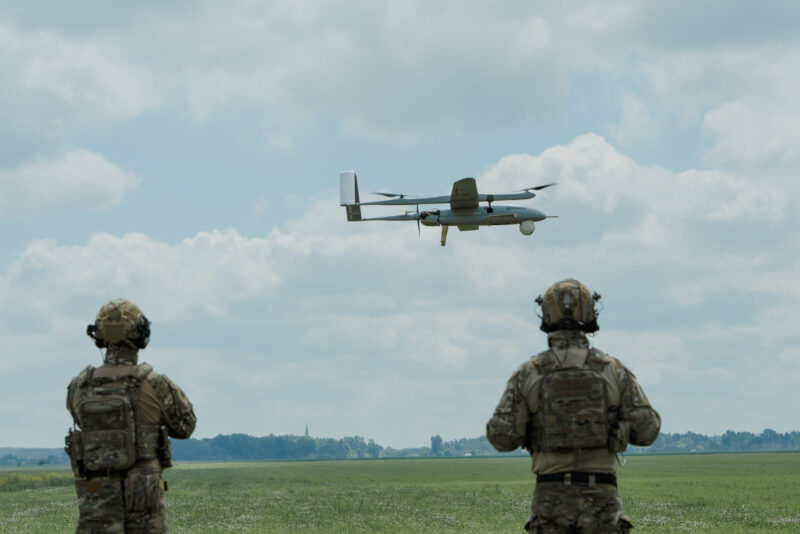
“When we say our UAS are combat proven, we don’t simply mean they’ve flown in the wars of the past. Redwire’s aircraft are actively deployed in conflicts happening right now, so we are innovating in lockstep with our customers’ needs,” said Tuna Djemil, Senior Vice President of Business Development and Strategy at Redwire Defense Tech. “The Penguin deployed in Ukraine today is not the same aircraft procured four years ago. These improvements are a direct result of our modular system design, which is fully operational in this modern battlespace, proving every day how UAS survivability depends on adaptability.”
Not only is Redwire one of the largest intelligence, surveillance, and reconnaissance (ISR) drone suppliers to Ukraine—often working directly with the Ukrainian government for procurement rather than relying on EU and NATO aid—but Redwire’s presence in the wider region is also expanding. With a well-established and growing manufacturing footprint in Riga, Latvia, the company is positioned as the largest defense firm in the Baltics and an industry leader in Europe.
On-the-Ground Collaboration: A Critical Differentiator for Achieving the Mission
A unique aspect of this conflict is how industry leaders like Redwire are working alongside Ukrainian warfighters to develop technology solutions—in real time and under pressure. Redwire is actively investing in its Ukraine location with a facility and personnel, including a Flight Operations team based in Latvia that delivers UAS operator trainings to help advance the mission of Ukraine’s warfighters. This close contact with end users shortens feedback loops, leading to rapid innovations.
Ukraine’s Armed Forces selected Redwire’s Penguin Mk2X primarily for its long endurance and range, as well as its altitude capabilities. This more sophisticated iteration of the Penguin system can fly significantly higher than it did early in the war, which aids in protecting the asset from targeting by First-Person View (FPV) drones during ISR missions.
When paired with Redwire’s Latvia-manufactured Octopus 180 payload, the system delivers stabilized, high-quality imagery that enables end users and decision makers to observe targets from greater distances with greater accuracy, helping to safeguard Ukraine’s troops on the ground.
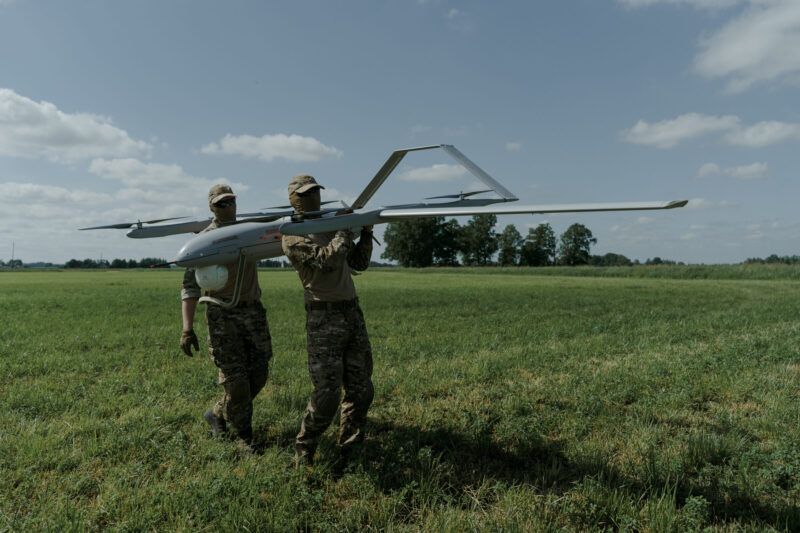
“Challenging weather is also common in this environment, which means assets must operate in ice, heat, and high winds,” explained Redwire’s BD lead in Ukraine. “Thanks to our growing EU footprint and the fact that Penguin is manufactured nearby in Latvia, our customers trust that we understand this regional concern and share their goal of ensuring the aircraft is operational in extreme conditions.”
When it comes to operations in harsh environments, the UAS must be both adaptable and resilient enough to survive more than just the battle itself. That’s why the most valuable lesson from Ukraine isn’t that UAS now play a mission-critical role in modern warfare—it’s that these assets can never stop evolving to support the warfighter in achieving mission success.
To learn more about Redwire’s combat-proven, multi-mission solutions, visit RDW.com